So I said in yesterday’s post that the conquest narrative of Joshua is the OT prophetic parallel to the conquest narrative of Revelation when Jesus leads His people in to inherit the earth. We run into our first similarity in these chapters: The Two Witnesses, uh, I mean “spies.”
So Jesus/Joshua sends 2 men ahead of him and they are helped by a Gentile whore whose name means “Proud.” But this woman, Rahab, has heard the news about the God of Israel and what He has done and recognizes Him to be “God in Heaven above and in earth beneath.” She asks to be saved.
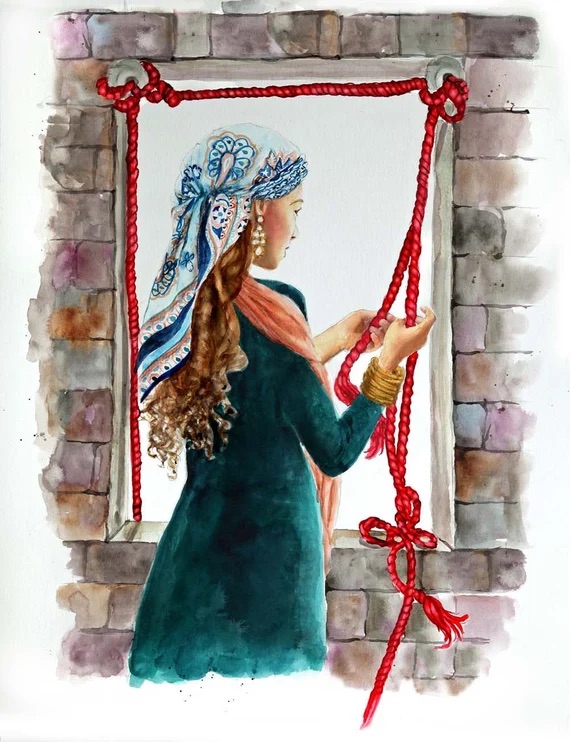
They promise that she will be saved (and her household) if she stays in the house and puts the scarlet cord in the window. It may have looked something like this:
And should make you think of this…
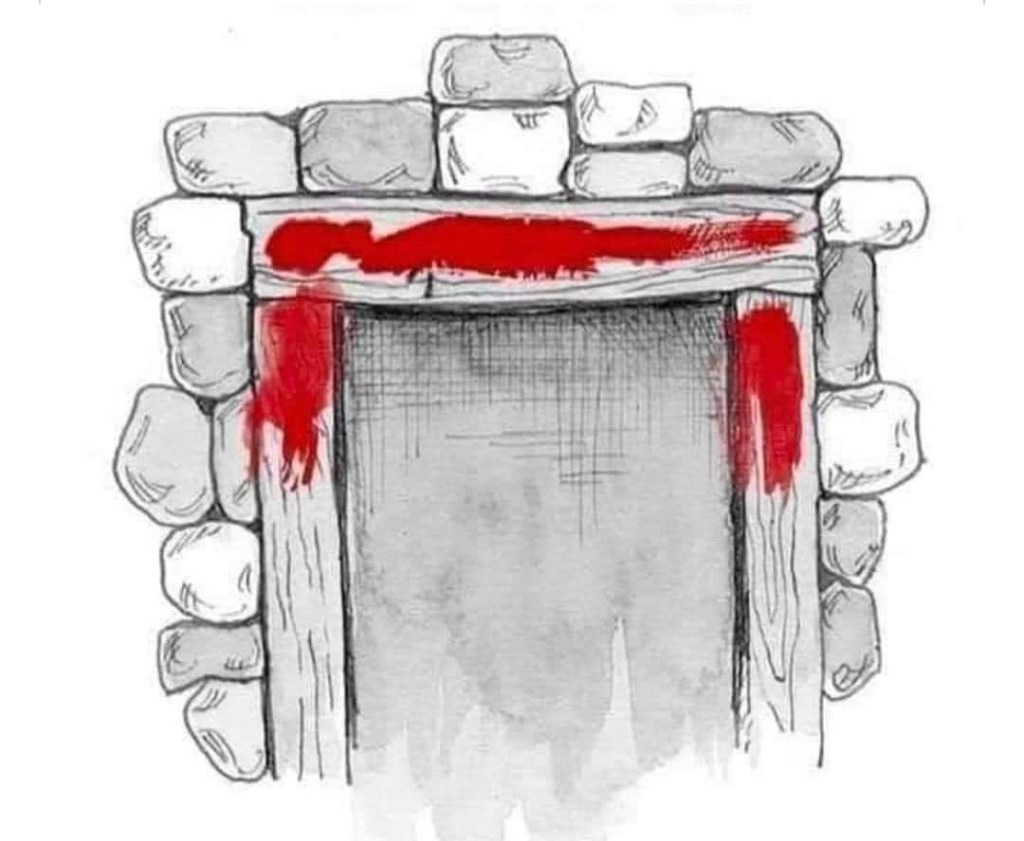
Salvation at Passover also required people to stay in the house.
This cord/line in Hebrew is called tiqvah. And it means “hope.”
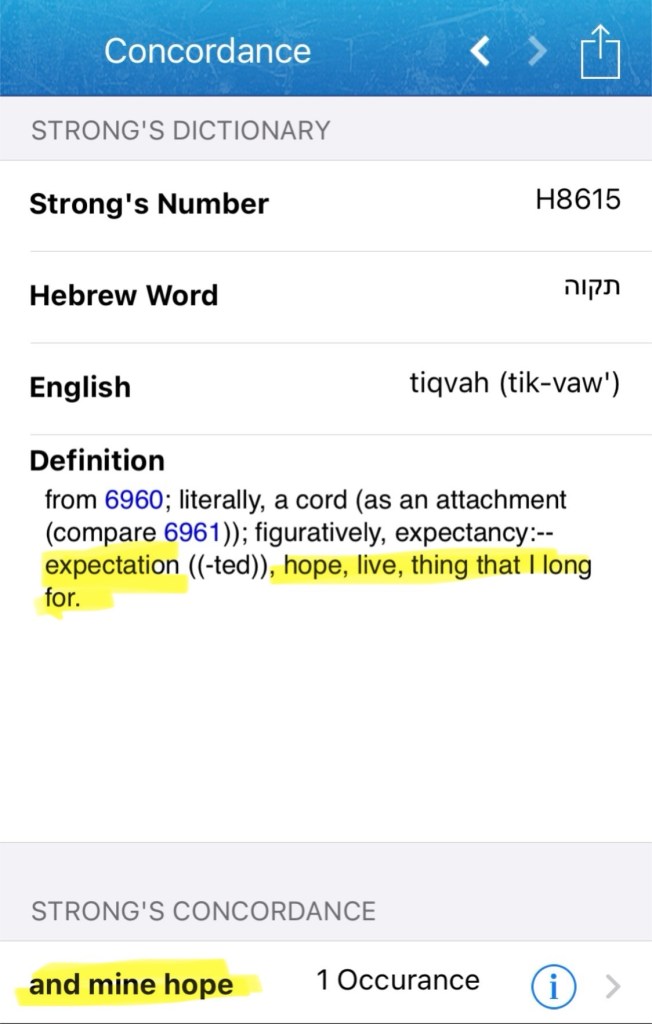
The national anthem of Israel is called Hatikvah (The Hope).
Rahab – a Gentile sinner – saves the lives of the Jews at great personal risk to herself and her family. In return, she trusts in their God and the promise of being saved from certain death. She places the symbol of her expectation in the window.
“For the grace of God has appeared, bringing salvation to all people, training us in order that, denying impiety and worldly desires, we may live self-controlled and righteously and godly in the present age, looking forward to the blessed hope and the glorious appearing of our great God and Savior Jesus Christ.” Titus 2:11-13 LEB
We’ll come back to Rahab. Her story isn’t over yet. Are you beginning to see the parallels between her and the Gentile church?
There are lots of “3 days” references. Did you notice that? Joshua gives the camp 3 days to pack up. The 2 spies escape Jericho and hide for 3 days in the mountains. Then, in chapter 3, the camp moves from Shittim (Acacia Grove) to the Jordan River and camped for – you guessed it – 3 days.
Jesus was in the tomb 3 days. Then there’s this after the Beast kills the 2 Witnesses:
“And those who live on the earth will rejoice over them, and will celebrate and will send gifts to one another, because these two prophets tormented those who live on the earth. And after the three and a half days, the breath of life from God entered into them, and they stood on their feet, and great fear fell on those who saw them.”
Revelation 11:10-11 LEB
Maybe the extra 1/2 day makes a difference. Maybe not. I dunno. It just sticks out as either a very big coincidence or a possible prophetic connection between the 2 spies that hid in the mountains 3 days and the 2 witnesses being dead for 3 (and a 1/2) days.
Both the spies and the witnesses are associated with people being terrified of what their presence signifies.
CROSSING THE JORDAN
The Ark of God goes ahead of the camp by a whole kilometer. That’s about 6/10ths of a mile for Americans or just over 1/2 a mile.
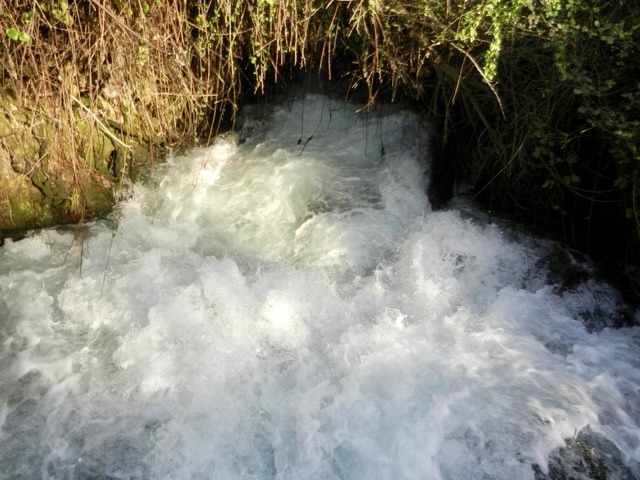
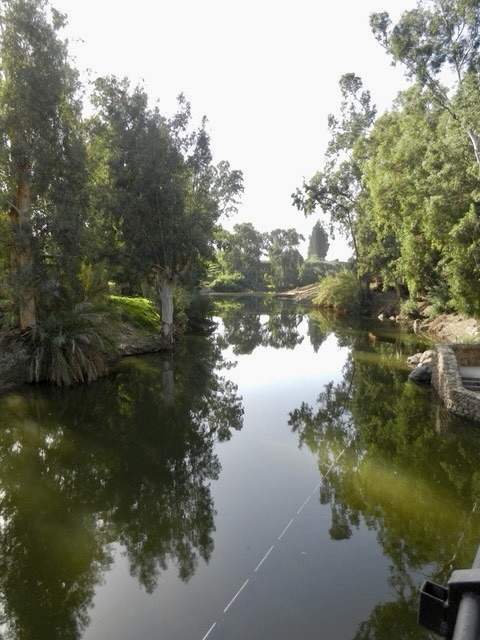
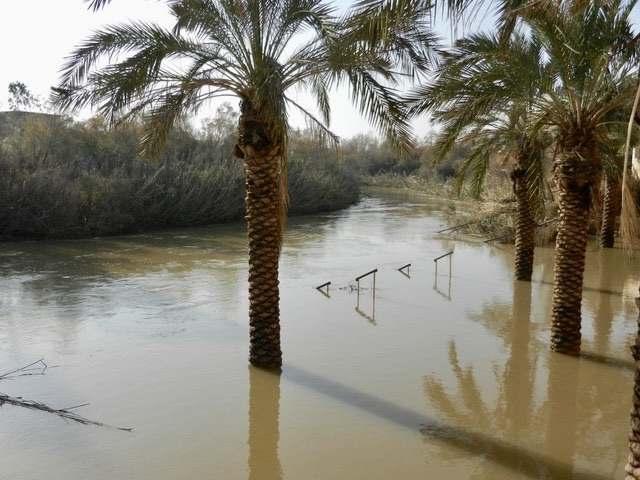
Now the Jordan River today starts out beautiful at the base of Mount Hermon. It’s gorgeous and clear and gurgling. Then it flows into the north end Sea of Galilee and out the south end where it looks like greenish pond water but in a pleasant kind of way. It meanders through flat agricultural areas until by the time you get down near the Dead Sea it’s a nasty ditch of muddy sludge bordered by lots of reeds.
I have not a clue what the Jordan looked like 3500 years ago. But we do know:
- They crossed near Jericho which is the south end of the river where it empties into the Dead Sea.
- It was in flood stage at the time Israel needed to cross it. Probably hundreds of yards wide. I’ve heard even up to a mile wide at times.

So we get a repeated pattern. Just as God solidified Moses’ leadership of Israel at the parting of the Red Sea, so he solidifies Joshua’s leadership at the parting of the flooded Jordan.
The priests carrying the ark step into the water and it drains downstream like someone pulled the plug. The whole bunch of them (except the wives, children, livestock, and elderly folk of Reuben, Gad, and half of Manasseh) cross the riverbed.
One final meteorological note. Verse 15 tells us that the Jordan overflows its banks during all the time of “harvest.” And naturally, most of us in North America think it’s talking about Autumn. But when we get to chapters 4-5 in tomorrow’s reading, we’ll find an actual date for the crossing:
“And the people came up from the Jordan on the tenth day of the first month…”
Joshua 4:19 LEB
In 5:10 we see them observe the Passover just 4 days later. This is in the spring.
But here’s what we need to grasp about the seasons in Israel. They’re very similar to south Texas. I lived in the San Antonio and Austin area for around 16 years put together. The seasons in south Texas look something like this:
JAN – cool, rainy, green
FEB – cool, rainy, green
MAR – BLUEBONNETS!
APR – HOT
MAY – HOT
JUN – AC running 24/7
JUL – Fry eggs on any surface even after dark
AUG – 2nd degree burns
SEP – Heat advisories. Things melt in cars.
OCT – Everything is DEAD and Brown.
NOV – Ahhh… Bearable
DEC – cool, rainy, green
Unlike saner parts of North America, you’re not growing much of anything in south Texas except mesquite and cactus through the summer. Even if you water your garden, it’s so hot your veggies get steamed on the vine. Just take your plate out there and slather butter on that broccoli. It’ll melt.
🍽️🥦🧈😋
Texas does have fall. Because it’s so dry, the trees go into survival mode and shed their leaves. So you get falling brown leaves. And people decorate with pumpkins and stuff. But it’s 100 degrees. And they’re drinking pumpkin spice lattes. It’s weird. You have to put SPF 80 sunscreen on the kids to go to the “harvest party” where everyone is on the verge of heat stroke. 🥵🍂
As soon as it cools off and begins to rain again, everything greens up and it’s time to plant a winter garden. “Winter” weather in south Texas is what most people would describe as “spring.” Rainy. Storms. Chilly. Green. Citrus is mostly harvested November through February. (That’s why you get oranges at Christmas.)
🍊🍋🍊🍋🍊
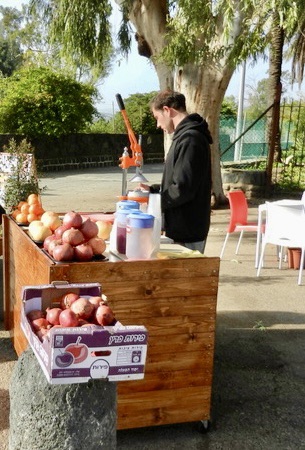
Israel is very similar. I visited in January. Citrus harvest was in full swing while most of the US was chopping ice off their ponds. The orange juice from the roadside stands was spectacular! We even saw a few early almond trees in bloom!
By April, the harvest of field crops and barley begins. There’s a reason why the festival of “Firstfruits” is right at the end of Passover/Unleavened Bread. That’s when all that “winter” produce is ready to pick. By June, the wheat is harvested and much of the vegetation dries up and goes brown. Grapes 🍇 (which seem to love heat), walnuts, and olives 🫒 are harvested in July-August. Then everyone waits until the rains of late September and October soften the parched ground enough to be able to plow and sow the wheat and barley and the cycle begins again.
So… all that to explain that Israel crossed the Jordan during the Harvest just before Passover in the spring. And there is nothing contradictory in that statement if you understand the climate and seasons of the Holy Land.
If you ever get the chance to go, DO IT. It’ll absolutely transform your understanding of the Bible and the history of Israel.
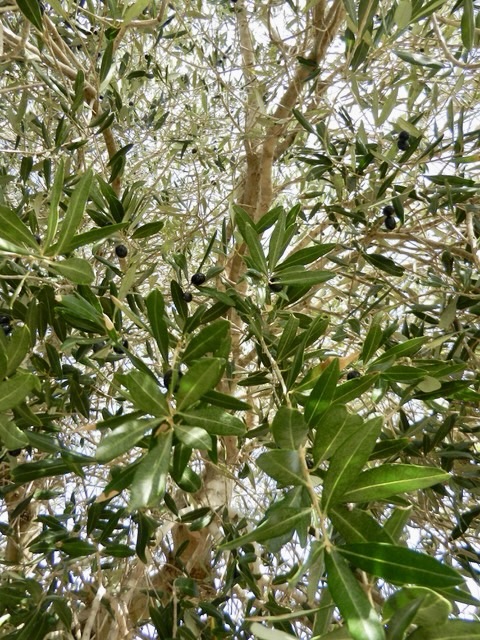
I’ll leave you with a few pictures from my trip to Israel in January of 2013. (How time flies!)

See you tomorrow.
 To The Reader