The chapter breaks are most unfortunate. In order to comprehend chapter 4 we need to review chapter 3 because it’s one whole section.
Chapter 3 is a warning to Judah and Jerusalem of a coming desolation.
Now, Isaiah probably looked kinda like this to the people of Judah and Jerusalem:

The citizens are enjoying some of the most prosperous, peaceful times in their history. Death and desolation do not feel like an imminent threat in the least.
But there’s the young Isaiah preaching doom and gloom- talking about food shortages and governmental collapse. He’s also accusing said government of corruption and oppression and getting rich at the people’s expense. Sound familiar?
In this context Isaiah takes the fashionable ladies of Judah to task; The Real Housewives of Jerusalem. Yahweh is going to take away their lifestyles of cushy extravagance and high fashion. It would be like Cinderella’s spoiled step-sisters suddenly finding themselves as scullery maids.
And it’s not just poverty.
“Your men shall fall by the sword, and your warriors in battle.”
Isaiah 3:25 LEB
Their men will be dead. Husbands, fathers, brothers, sons – all the men who would provide for and protect them – gone.
NOW we can read Isaiah 4:1 (which really should be Isaiah 3:27.)
“And seven women shall grasp at one man on that day, saying, “We will eat our own bread, and we will wear our own clothing; only let us be called by your name! Take away our disgrace!”
Isaiah 4:1 LEB
What day is it talking about?
It’s talking about the fall of Jerusalem to the Babylonians. And that day seems to function as a kind of microcosm and template for THAT day- the Day of the LORD; the day of wrath.
And in 4:2 we switch gears to talking about THAT day. Or, more accurately, it’s a double entendre. We’re talking about both days at the same time.
“On that day the branch of Yahweh shall become beautiful and glorious, and the fruit of the land shall become the pride and glory of the survivors of Israel.”
Isaiah 4:2 LEB
The “branch of Yahweh” is both faithful Israel and the Messiah (and all who belong to Him).
“I am the vine; you are the branches. The one who remains in me and I in him—this one bears much fruit, for apart from me you are not able to do anything.”
John 15:5 LEB
Keep this Branch language in mind. It’s a picture that the prophets will develop; particularly Isaiah, Ezekiel and Zechariah.
Before we go on to chapter 5 it’s worth noting that Isaiah prophesies the return of the Pillar of Cloud and Fire over the assembly on Mount Zion.
Up to this point, we have mostly encountered the term “Zion” as a synonym for Jerusalem- a physical piece of real estate on the globe. But we’re beginning to encounter some nuance, so let’s look at it.
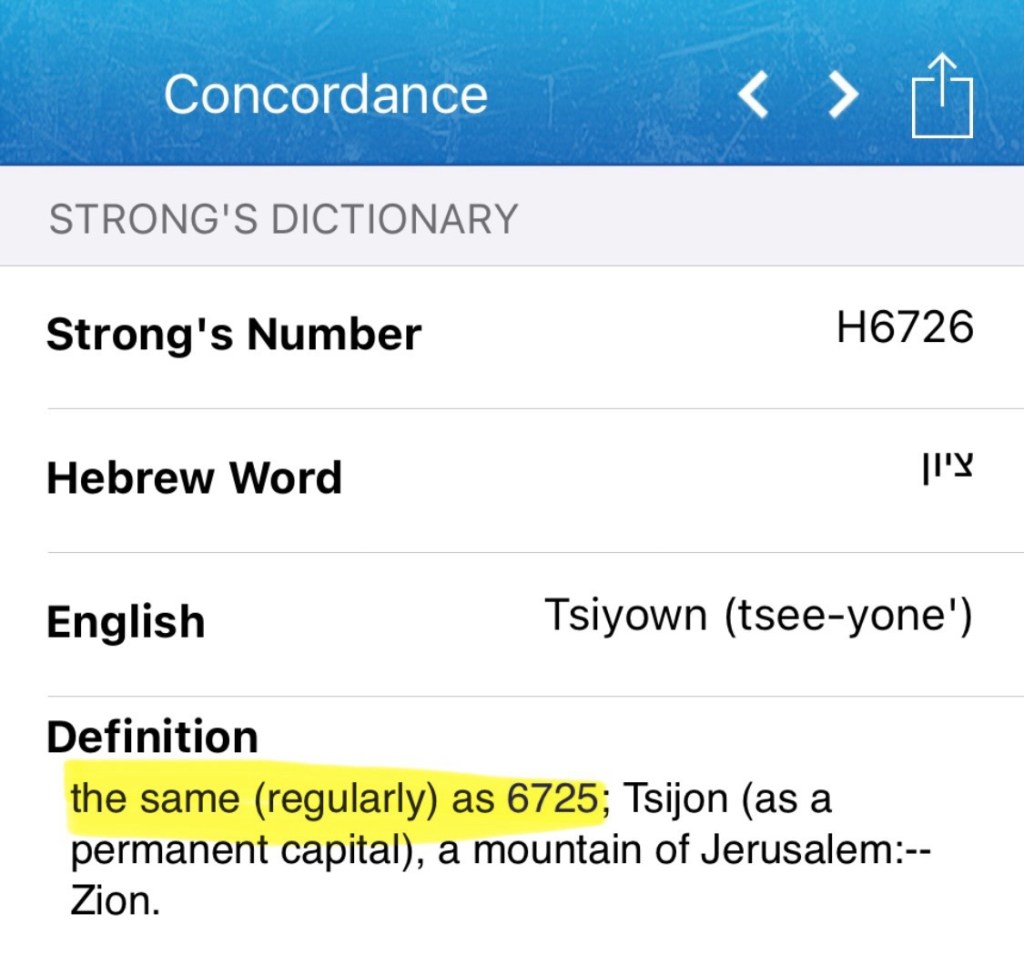
This is the word Zion [tsee-yone]. (But don’t start saying it like that. No one will know what you’re talking about.)
It’s basically the same word as this:

Same spelling, slightly different pronunciation. But it means “a guiding pillar.”
Now does this make more sense?
“Then Yahweh will create over all of the site of Mount Zion and over her assembly a cloud by day and smoke and the brightness of flaming fire by night. Indeed, over all the glory there will be a canopy, and it will be a shelter for shade from the heat by day, and a refuge and a hiding place from rainstorm and from rain.”
Isaiah 4:5-6 LEB
Over Mount Guiding-Pillar, Yahweh will put the guiding fire-cloud pillar.
Interestingly, the root word from which tsiyuwn comes is this:
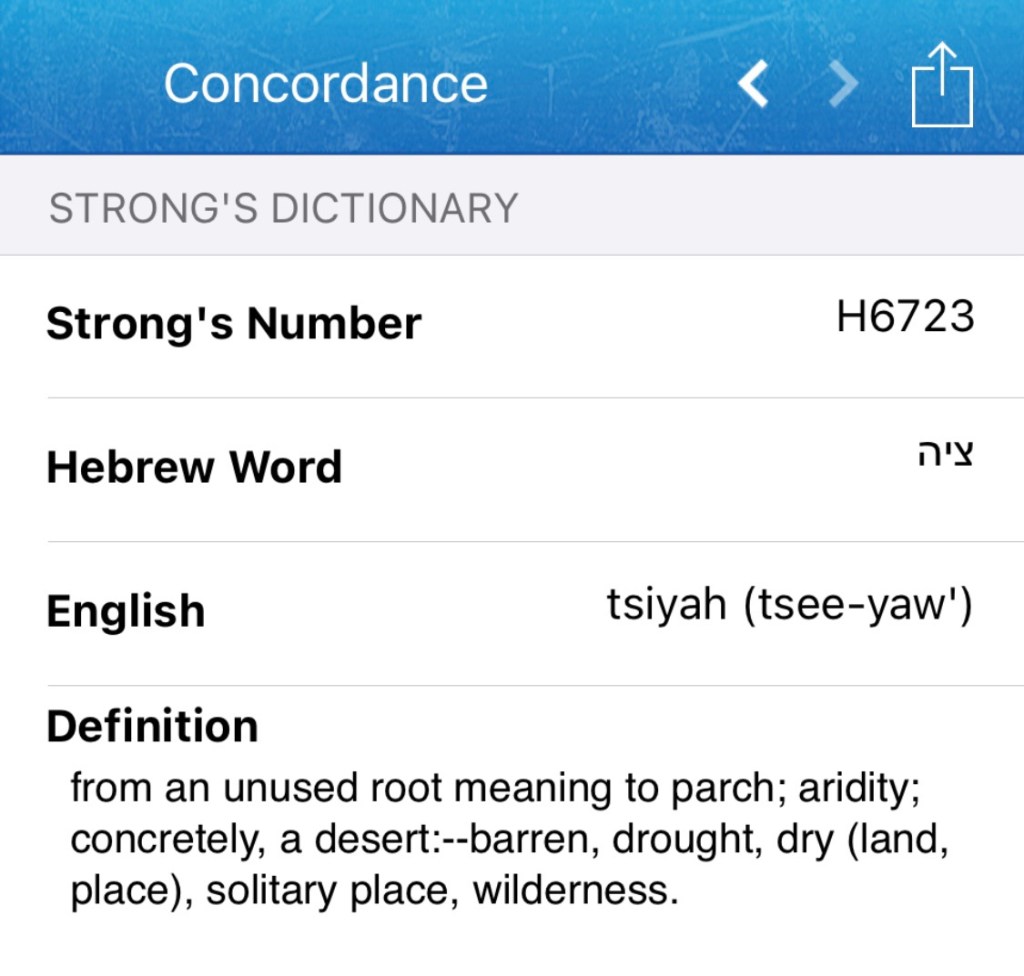
Now, this return of the pillar of fire-cloud could be an actual future phenomenon like in the book of Exodus. But it might also refer to a current supernatural reality in the heavens that we cannot see with physical eyes. Or perhaps both.
“Zion” is called “the City of God” in Psalm 87. Paul speaks of 2 Jerusalems:
“Now this Hagar is Mount Sinai in Arabia and corresponds to the present Jerusalem, for she is enslaved with her children. But the Jerusalem above is free; she is our mother.”
Galatians 4:25-26 NASB2020
John sees the holy city descending from out of heaven- the NEW Jerusalem.
It may be that the Zion with the protective fire-cloud pillar is the one in heaven. And it may be that the heavenly city descends and re-merges with the earthly one (as I suspect it was back in Eden)…
😲 Wait! What did you just say?! Did you just imply that the Garden of Eden was in… Jerusalem?
I did. I can’t prove it and it’s not a salvation issue, so… Just a cool theory.
😯 And that’s it? Not gonna elaborate?
Nope. Look- if I elaborated on every tangent we’d be here ALL day.
The point I’m trying to make is that when we read the word “Zion” in the Bible – particularly in the prophets – we should at least consider the possibility that the passage may infer or include the heavenly city.
Ok. Back to the vine and the branches…
CHAPTER 5
I don’t know if Isaiah grabbed a harp (and plugged it into a Marshall stack) and actually sang this prophecy but it would’ve been interesting if he did.
In this angry song, Yahweh plants and tends a vineyard but for all His trouble the harvest is inedible. So He tears down the protective wall and whistles to call a foreign nation to come tear it apart.
😏 Hmm. Sounds like the OT version of Before He Cheats by Carrie Underwood.
Well…you’re not wrong.
CHAPTER 6
The placement of the account of Isaiah’s commissioning here feels defensive; like Paul defending his apostleship in 2 Corinthians 11-12. If people were approaching the young prophet and demanding (like they did to Jesus), “By what authority are you doing these things?!” I think chapter 6 was Isaiah’s response.
Isaiah (as all real biblical prophets do) had a heavenly commissioning. He didn’t just have a passive vision of heaven. He was somehow there. Interacting. Having his mouth lit by a live coal so he could speak the divine words of God.
Verses 1-4 are one of the most vivid descriptions of the heavenly throne in all of scripture. It’s the only place in the Bible that we read about seraphim.
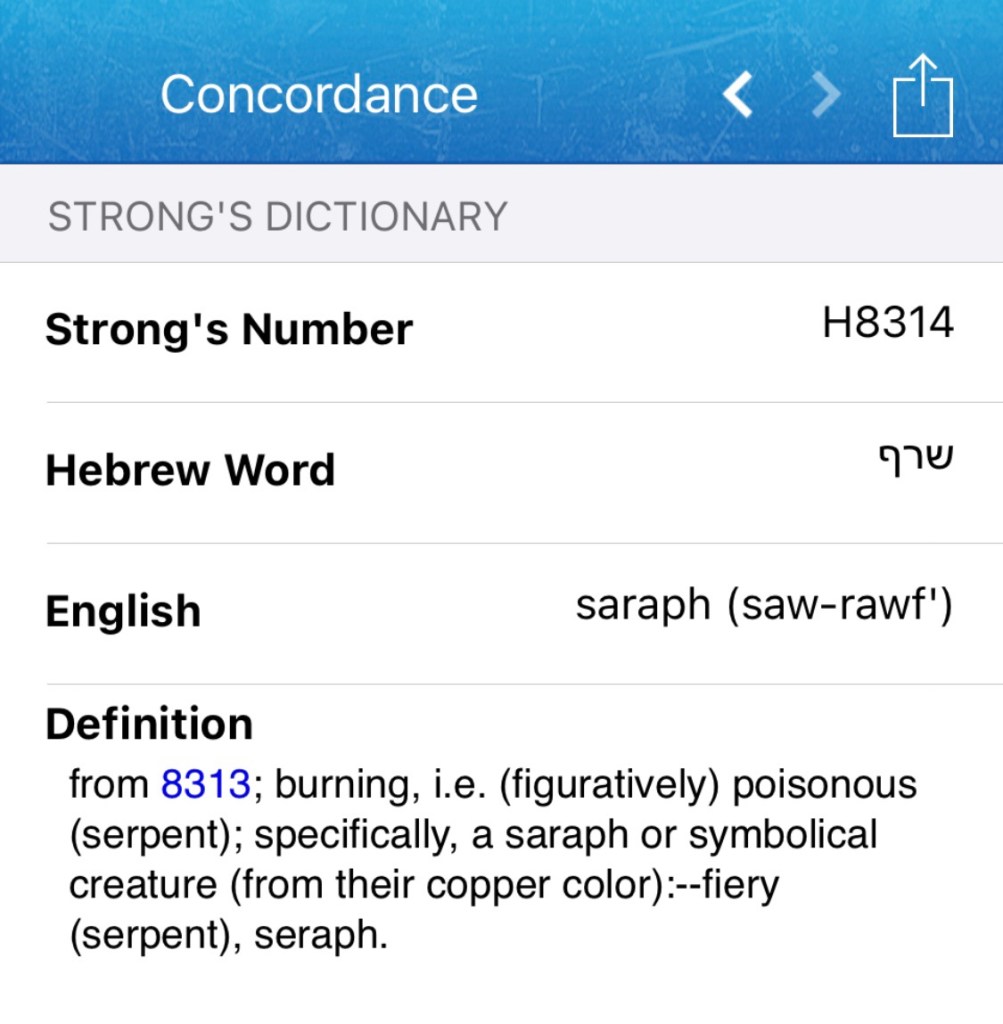
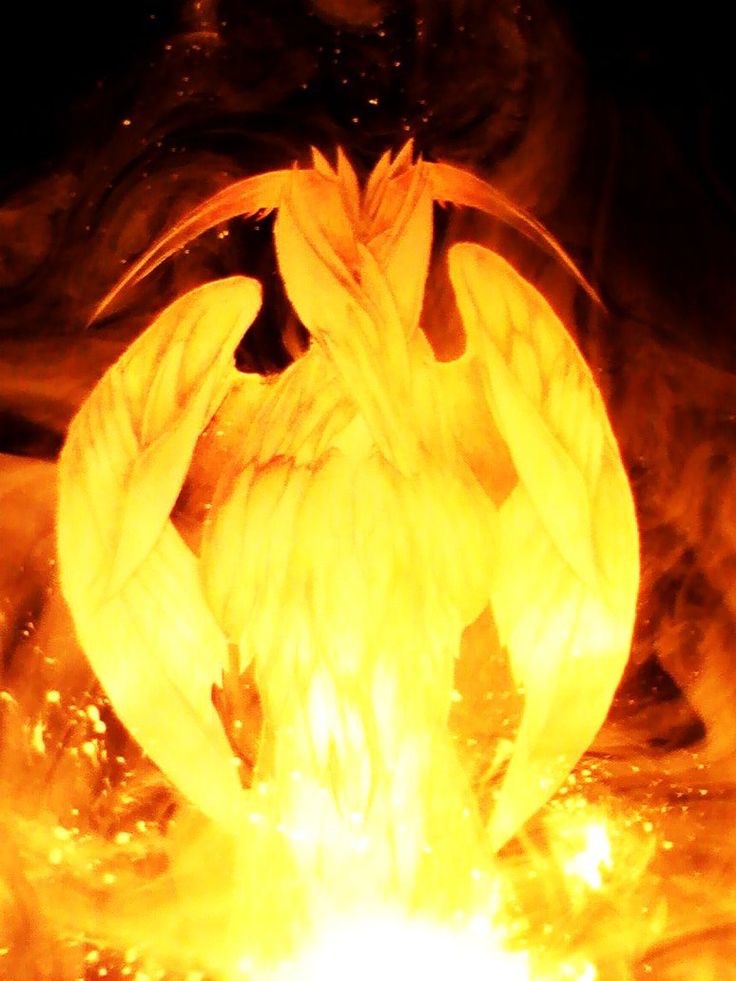
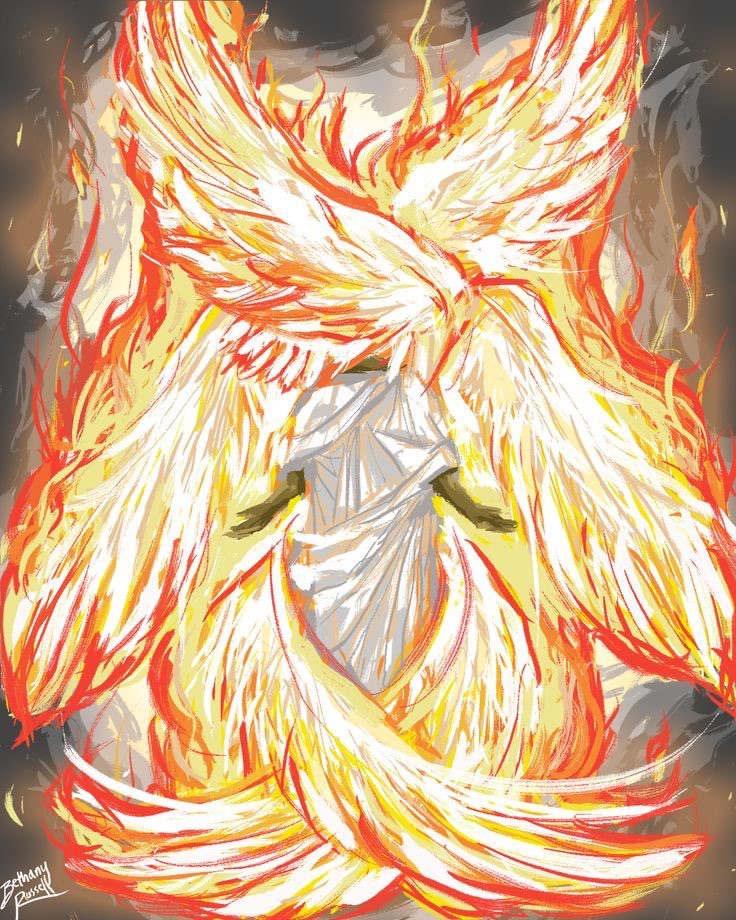

They seem to be beings made of fire. And they would have to be in order to be so close to Yahweh Who is “a consuming fire.”
Psalm 104 describes the power of Yahweh…
“who makes his messengers the winds, his attendants a flame of fire.”
Psalms 104:4 LEB
And in case you’ve never heard the air by Handel, Let The Bright Seraphim, click the link to get a little culture in your day.
The text is:
Let the bright seraphim in burning row,
Their loud, uplifted angel trumpets blow.
Let the cherubic host, in tuneful choirs,
Touch their immortal harps with golden wires.
😇🔥🎺🎺🎺😇🔥
Like we saw in Maciah’s vision of the LORD with His counsel, He asks for a volunteer. And Isaiah raises his hand. 🖐🏼
Here’s the assignment:
“Yes, go, and say to this people, ‘Listen carefully, but do not understand. Watch closely, but learn nothing.’
Harden the hearts of these people. Plug their ears and shut their eyes. That way, they will not see with their eyes, nor hear with their ears, nor understand with their hearts and turn to me for healing.”
Then I said, “Lord, how long will this go on?”
And he replied, “Until their towns are empty, their houses are deserted, and the whole country is a wasteland; until the Lord has sent everyone away, and the entire land of Israel lies deserted.”
Isaiah 6:9-12 NLT
Isaiah goes into his ministry KNOWING that the people are going to ignore him.
🤔 So why does God send him?
So no one can say later, “You never warned us!”
The people who perished in the Flood of Noah couldn’t say, “We didn’t know!” Noah preached for over a century while building the ark.
We have more Bibles and preaching today than at ANY point in history. The door of salvation is wide open. It’s not the door’s fault if people refuse to enter.
There aren’t any philosophical questions about Christian faith that haven’t been addressed. There isn’t a question or a request for proof that has gone unanswered. Every skeptic seems to think he or she is the first person to ever ask, “Well, what about…” For about 2000 years the followers of Jesus have patiently and eruditely responded to every critique and question. There are libraries FULL of more writing than you could read in a lifetime. There is no shortage of answers for those who truly want them.
Do people really want them?
Or are they like Judah in Isaiah’s time? Listening but not hearing? Watching without actually seeing? Going about doing life their own way; shallow, selfish, crooked?
The one thing no one will be able to say on Judgement Day is “We didn’t know!”
This chapter has one little germ of hope laying in the ashes.
“If even a tenth—a remnant—survive, it will be invaded again and burned. But as a terebinth or oak tree leaves a stump when it is cut down, so Israel’s stump will be a holy seed.”
Isaiah 6:13 NLT
This is going to look like the absolute END. But it’s not going to be.
Isaiah’s messages will constantly have these two extremes in tension.
It’s a helpful thing in our lives when it looks like we are facing or have indeed come to the absolute END. Somewhere down in the stump of that chopped down tree is life. It’s down in the roots. Unseen. But it’s there.
And it makes me think of this song by my music teacher, Wayne Goodine-
Verse 2 (which I SO wish the wonderful Alvin Slaughter would’ve sung for the recording linked above) says,
If you’ve felt the pain of sin
And you long for peace within
The answer seems so far away
You long to see the light of day
Just reach out, for He’s standing near
Jesus says, “Child have no fear”
For what may seem to be the end
May be where brand new life begins…
 To The Reader