The opening chapters of Hosea are a prophetic picture of Yahweh’s relationship with Israel. If they were a couple today, we’d expect them to either be in counseling or the office of a divorce attorney.
First- the context…
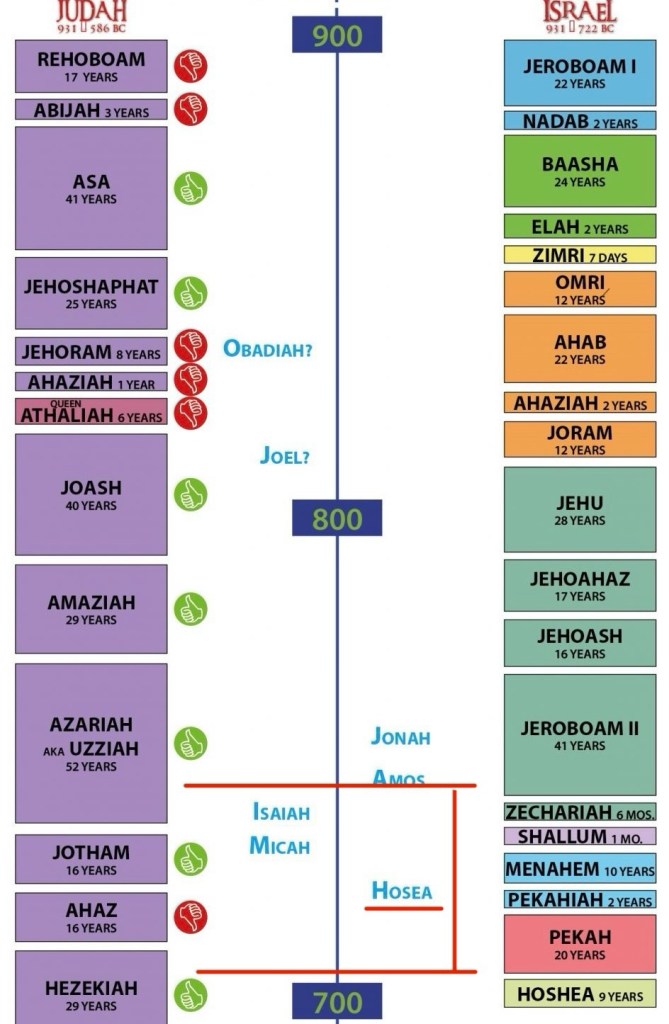
We are going back in time a few years. When Hosea’s ministry begins, things are pretty politically stable but idolatry is the default behavior in both Israel and Judah.
Over more than 30 years, while Isaiah is having heavenly visions and Micah is finally getting Judah to listen, Hosea is up in the northern kingdom of Israel as their final warning.
Hosea’s name means “deliverer.” And God instructs him to go looking specifically for a woman to marry who already has a track record of infidelity.
Imagine a man taking a woman on a date and he asks why she’s single. “Oh, I wanted an open relationship,” she says, “and my last guys weren’t cool with that.”
That’s the chick Hosea is instructed to find and marry. And he does. Her name is Gomer.
🤔 Gomer? You mean like this guy?

Not really. In Hebrew it’s the word gamar [gaw-mar] and it means “to come to an end.” That’s exactly what was happening to the northern kingdom.
Gomer was trouble. God and Hosea knew she would be unfaithful and get pregnant with other men’s offspring. And that was the whole point.
Gomer – who represents the northern kingdom of Israel has 3 children:
- Jezreel [means: God will sow]
- Think “you reap what you sow”
- He is a sign that God will “punish the house of Jehu for the blood of Jezreel.” See 2 Kings 10:1-11 for the account of when Jehu went overboard in his violence against the house of Ahab. Yes, the Lord called and chose Jehu to wipe out the house of Ahab, but at Jezreel, he got a little carried away. And he set a precedent of violence that his dynasty followed. And the Lord isn’t going to let that go unpunished.
- Lo-ruhamah [means: not pitied]
- She is a sign that God “will no longer have pity on the house of Israel.” Hosea is the last prophet. They get no more chances. He’s really just there to tell them that it’s over.
- Lo-ammi [means: not my people]
- Lo-ammi was not Hosea’s child. He is a picture of what Israel had become- utterly unrelated to Yahweh. Disowned.
Hosea’s fragmented family is a picture of the end of Israel. And yet Hosea announces this completely opposite future:
- The children of Israel will be innumerable.
- They will be called “the children of God.”
- The divided kingdom will be joined again with one leader
- The division and rivalry between the tribes will be gone.
- This is where a chapter break is problematic. This part of the prophecy is in 2:1 – “In that day you will call your brothers Ammi—‘My people.’ And you will call your sisters Ruhamah—‘The ones I love.’”
Hosea 2:1 NLT
- This is where a chapter break is problematic. This part of the prophecy is in 2:1 – “In that day you will call your brothers Ammi—‘My people.’ And you will call your sisters Ruhamah—‘The ones I love.’”
These prophesies seem impossible given what God has just said about Israel no longer being His people and no longer receiving His pity.
But there’s one more promise in verse 11.
Most translations have something like “they shall go up from the land” (ESV, NSAB), or “they will take possession of the land” (LEB). The NLT pulls in the meaning of the name Jezreel [God will sow], and gets at the imagery of seeds planted and sprouting up with:
“…What a day that will be—the day of Jezreel—when God will again plant his people in his land.”
Hosea 1:11 NLT
Most of this is 2 words in Hebrew:
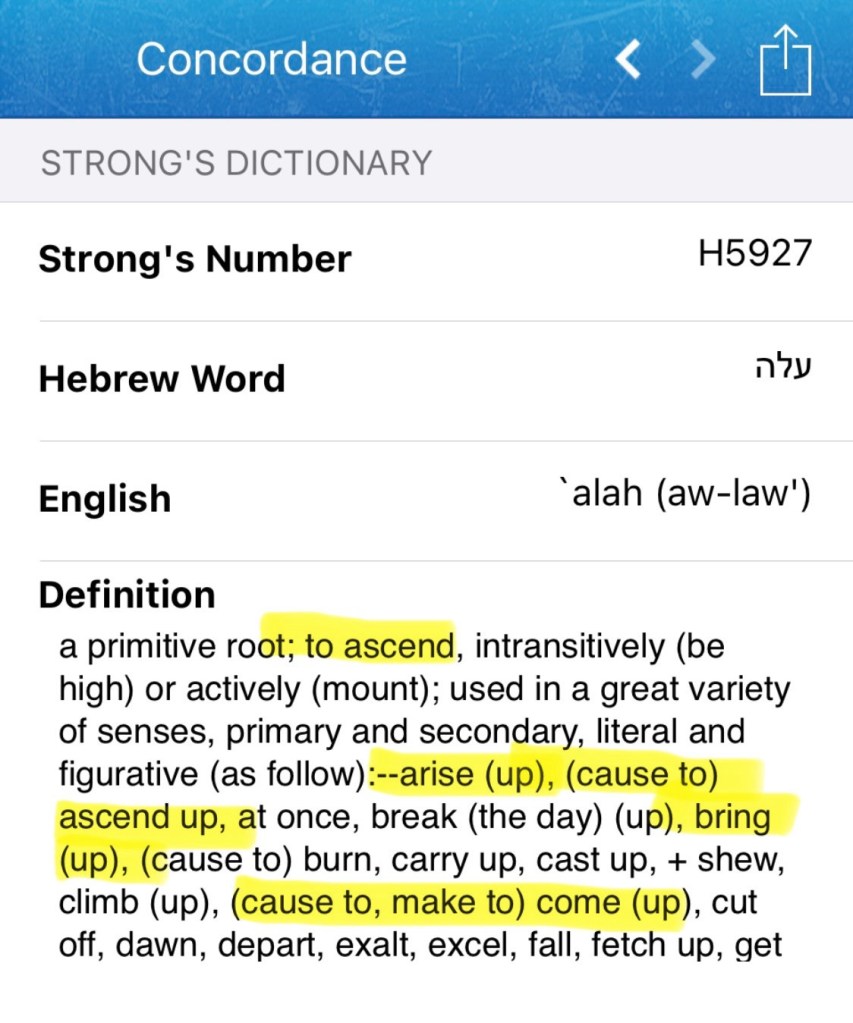
The key idea is “UP.” Ascend. Rise up. Bring up. Come up.
Then there’s the basic Hebrew word for earth or land:
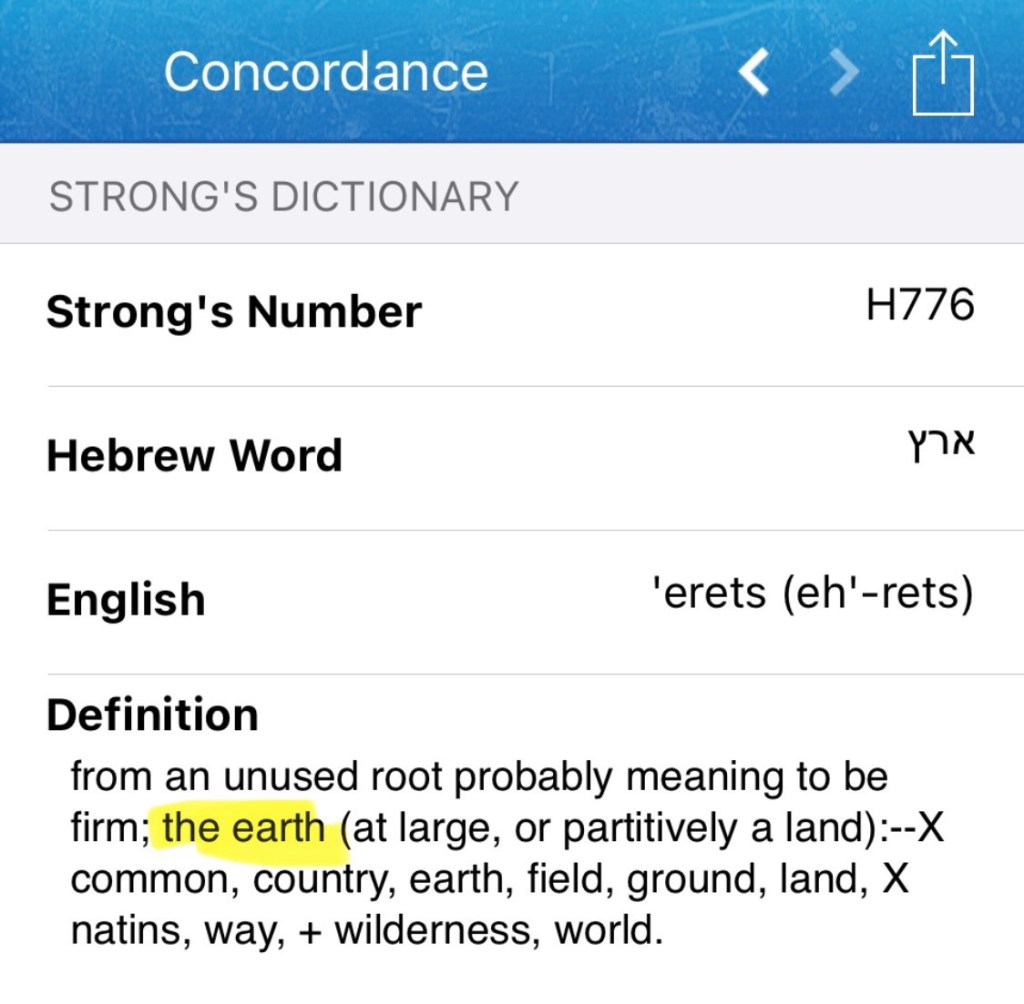
Something is coming up out of the earth. Which, with the idea of “God will sow” gives us a picture like:

And, indeed, God will do the miraculous. He will replant the seed of Abraham back in the land and they will again grow and become a unified people after the years of captivity.
BUT…when I think of new life bursting out of the earth, I can’t help but think of the resurrection. As far as I can tell from Revelation 19-20, when the “first resurrection” occurs, the people of God will be gathered together and planted in His land to participate in His reign. He will be the one head of His people.
So it may be that Hosea’s prophecy hints at a time to come as well as the time past.
GOD IS A DIVORCEE
“But now bring charges against Israel—your mother— for she is no longer my wife, and I am no longer her husband…”
Hosea 2:2 NLT
The LORD lays out His case against His wife in divorce court. And it’s like He’s saying, “She’s not getting a dime.” Every cent He gave her before she spent on “the other man,” Baal.
She is about to reap what she has sown. Not even her old lovers will take her in now.
But our God is SO gracious and compassionate. It will be a VERY hard lesson for Israel to learn, but learn it they finally will. Think about how long we’ve been reading through the scripture. It was almost a year ago that we read about Israel’s first national flirtation with an idol: the golden calf. And ever since then, every five minutes they’re meddling with idolatry. Well, no more. After Yahweh tans their backside in captivity for a couple generations, they will never again fall into idolatry. Never. We’ll see them fail in other ways in the New Testament, but never again as a nation will they even look at an idol.
“I will make you my wife forever, showing you righteousness and justice, unfailing love and compassion. I will be faithful to you and make you mine, and you will finally know me as the Lord.”
Hosea 2:19-20 NLT

So the LORD vows to woo back His wayward bride and gives Hosea a new mission:
“And Yahweh said to me again, “Go, love a woman who has a lover and is committing adultery, just like the love of Yahweh for the children of Israel, but they are turning to other gods and love raisin cakes.” So I bought her for fifteen shekels of silver and a homer of barely and a measure of wine.”
Hosea 3:1-2 LEB
Note that the text doesn’t specify Gomer, but it certainly describes her:
- She has a lover
- She is committing adultery
The Septuagint uses the word “hired” instead of “bought.” It makes me think of the men who do rescue work in brothels. They “hire” a girl for a night but instead of using her, they give her personal toiletries, share the Gospel and then keep watch while she takes a much needed rest. After a few visits, if the prostitute is willing, they help her escape.
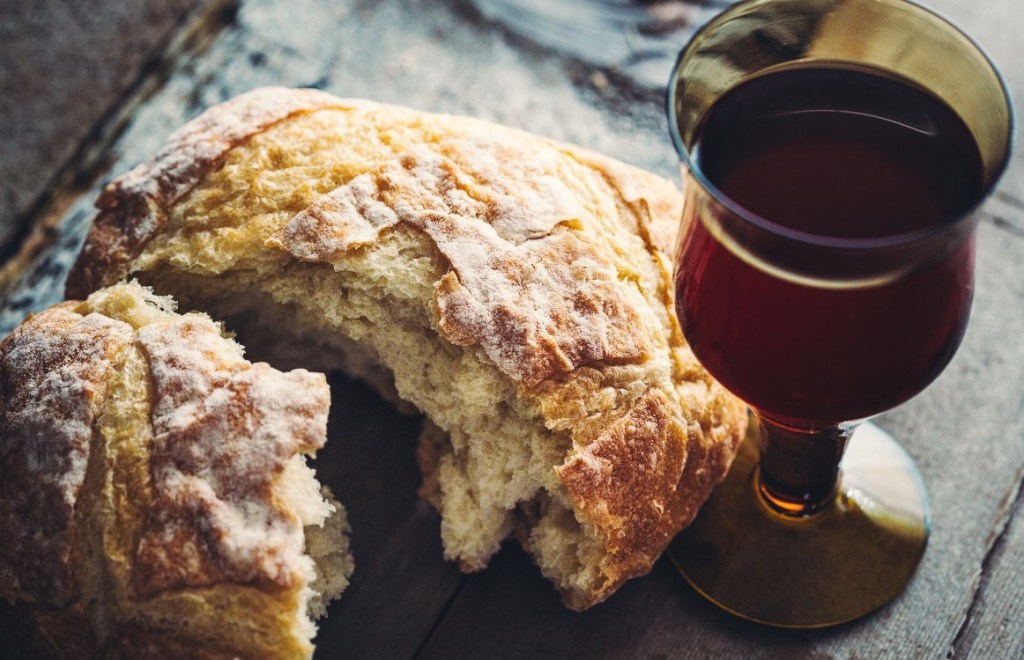
And the price that Hosea paid, (silver, barley- the most common grain used for bread, and wine [following the LXX text]), is loaded with redemptive imagery.
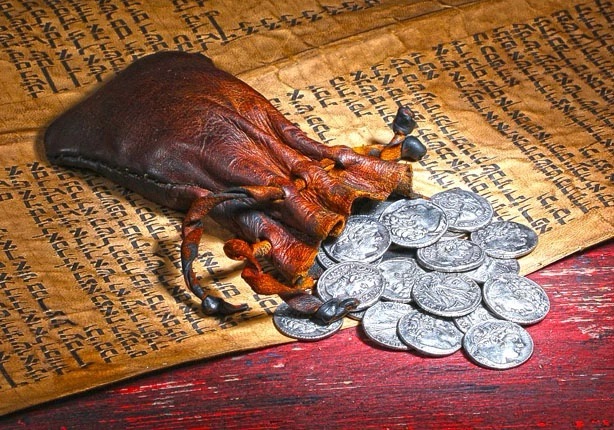
It’s really difficult to calculate the value of ancient money in today’s US dollars, but the silver alone may have been somewhere around $4,000 or more. Plus about 6 bushels of barley and an unspecified amount of wine. If you paid that much for a prostitute, you were essentially paying for a LOT of nights in advance. And that’s the idea.
“And I said to her, “You must remain as mine for many days, and you will not play the whore; you will not belong to a man, and I will belong to you.” The children of Israel will remain for many days without a king and prince, without sacrifice and stone pillar, ephod and teraphim. Afterward the children of Israel will return and seek Yahweh their God and David their king. They will come in fear to Yahweh and to his goodness at the end of days.”
Hosea 3:3-5 LEB
The northern 10 tribes will go into captivity and never really return. Judah will be in Babylon for 70 years. Even after the captivity, Israel will never again have a king from the lineage of King David. The sacrifices will return with the 2nd Temple, but that was destroyed in 70AD and has never been rebuilt since.
“Afterward the children of Israel will return and seek Yahweh their God and David their king.” This seems like one of those verses that may have a double application:
- A group of Jews returned to the land after the Babylonian Captivity and sought the Lord in earnest.
- Israel has been without a king and temple for MANY more days now than then. But since 1948 when Israel became a recognized nation again, the Jews have again been returning to the land from all over the world. And many of them are seeking Yahweh their God. Some are even finding the Son of David, their Messiah.
“They will come in fear to Yahweh and to his goodness at the end of days.”
Let me just make this a little easier to see…
“They will come in fear to Yahweh and to his good news at the end of days.”
There. Fixed it.
I think we’re just about there.
 To The Reader