The temple is QUITE the project. And with all these measurements and details, we run into a few textual disagreements. Critics like to point them out as reason to doubt the authority of scripture. You may have noticed some of them as you read these two chapters. While I cannot promise to answer all of them to everyone’s complete satisfaction, I will do my best to show that things that appear contradictory on the surface may, in fact, be only varying perspectives or or copy/translation errors; and not a flaw in the original inspired text.
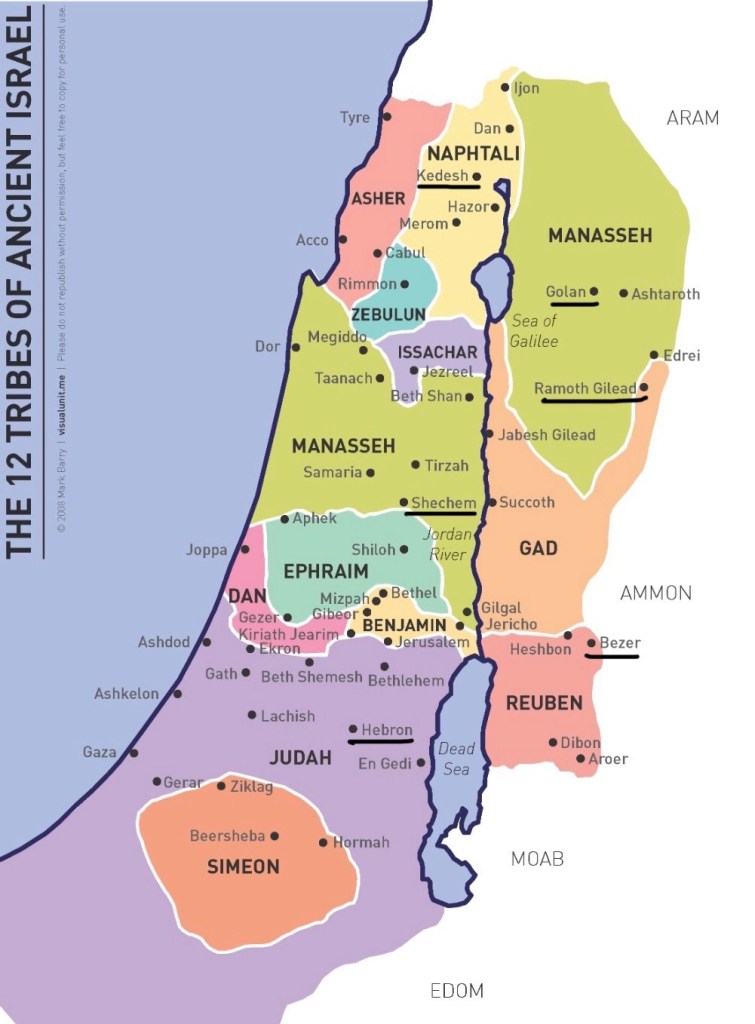
Hiram/Huram (the builder)
- Mother is from Dan (2 Chron. 2:14)
- Mother is a “widow” from the tribe of Naphtali (1 Kings 7:13-14)
- Dan was a tribe but also a city in northern Israel. The city of Dan was built by the Danites (Judges 18) but it was actually within the land assigned to the tribe of Naphtali. Hiram’s mother was likely a widow from the tribe of Naphtali but lived in the city of Dan with her husband (the foundry-worker from nearby Tyre) before he died.
The Pillars
- Decorated with 100 pomegranates (2 Chron. 3:16)
- Decorated with 200 pomegranates (1 Kings 7:20)
- Pillars 18 cubits tall (1 Kings 7:15)
- Pillars 35 cubits tall (2 Chron. 3:15)
- Capitals 5 cubits tall (2 Chron. 3:15, 1 Kgs. 7:16)
There are parallel passages that agree with the 18 cubits measurement.
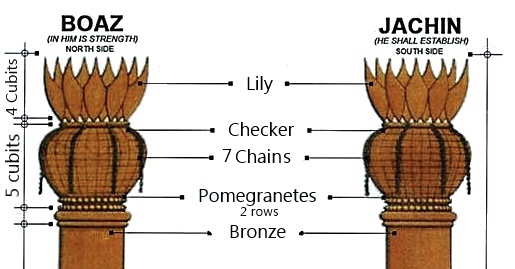
Spoiler alert… this temple that Solomon is building is going to be torn down and all of this gold and silver and bronze will be carried off as plunder. In 2 Kgs. 25 we get the account of the Babylonians destroying the temple. In verse 17 it agrees that the pillars were 18 cubits tall, but it has the capitals as only 3 cubits. The parallel account of the destruction of the temple is in Jeremiah 52. The Prophet Jeremiah recorded that the pillars were 18 cubits tall and the capitals were 5 cubits tall (verses 21-23). One proposed idea is that the capitals were in 2 sections; the main part was 5 cubits with an additional 3-4 cubits on top. Like this:
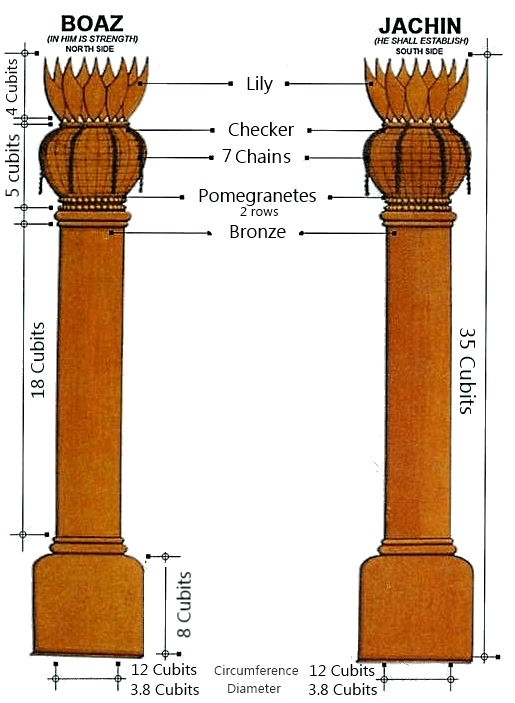
From the parallel biblical passages, we get confirmation of the 18 cubit height (27ft). This measurement is also attested in the ancient Syriac text of 2nd Chronicles. From these evidences, we could conjecture that 1) 35 cubits is a scribal error, 2) the 35 cubits measurement was the total length of both pillars together, or 3) perhaps the total height of each pillar if you included the capital(s) and a base. Like this:
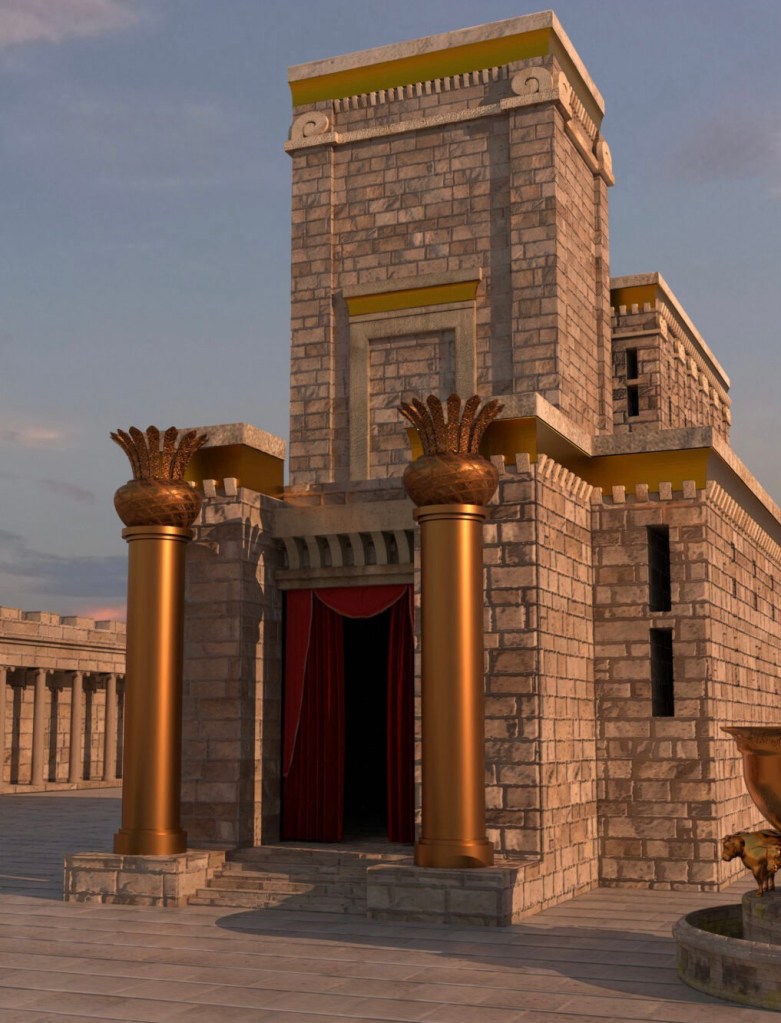
Here are some other artistic ideas how the pillars make have looked…
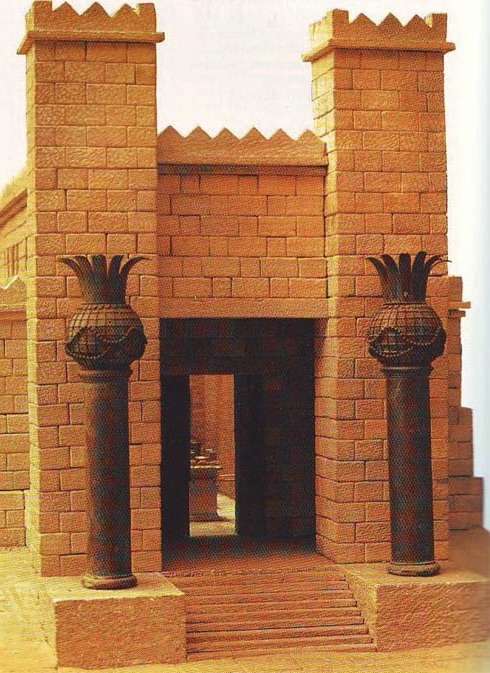
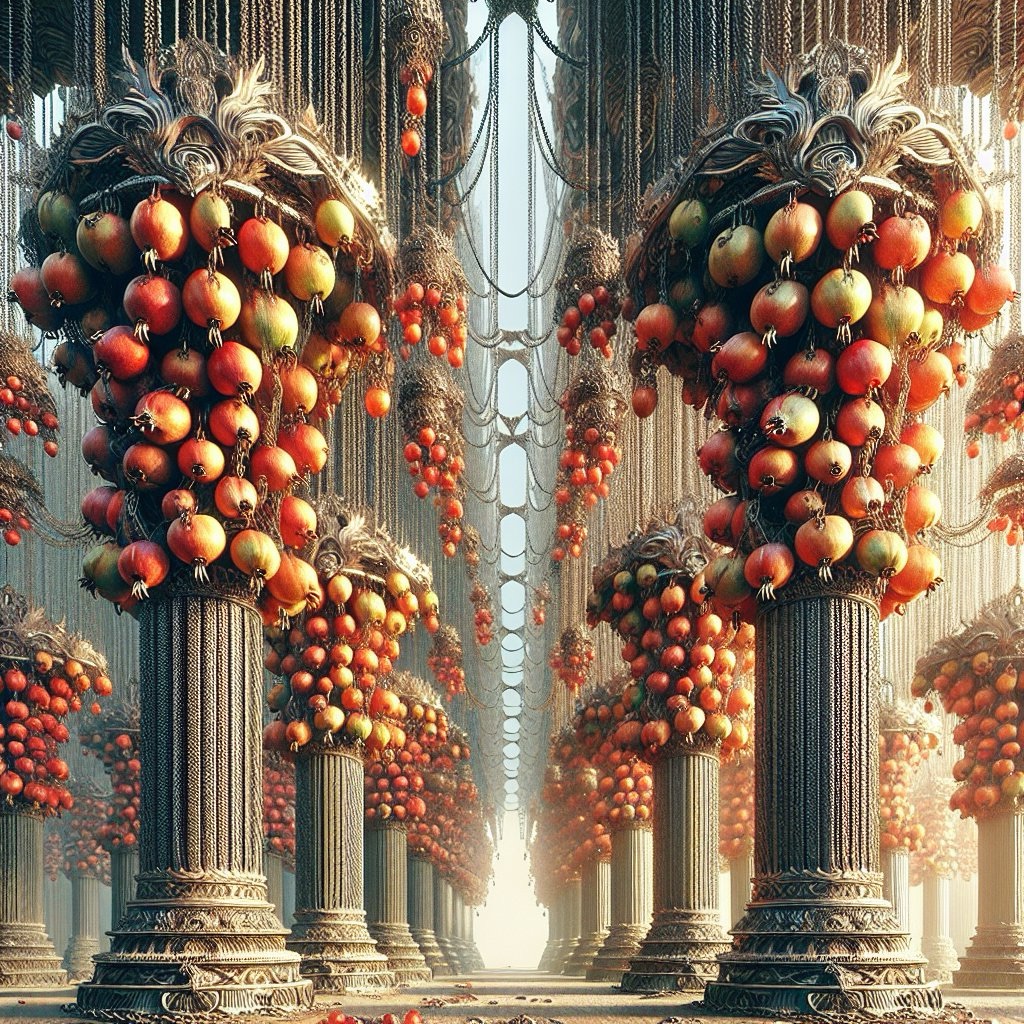
The difference in number of pomegranates seems to arise from how “zoomed in” we are in the description. 1 Kings 7:42 and 2 Chr. 4:13 are quite clear that there were 400 pomegranates in total; 200 on each pillar, 100 on each “chain” (think giant charm bracelets).
2 Chronicles 3:16 seems to be zoomed in on the number of pomegranates per chain: 100. And there are chains (plural), making 200 total per capital, 400 total.
Jeremiah 52:23 has 96 pomegranates exposed to the windward side and 100 in total. This could mean 100 per chain or it could imply that somewhere along the passing centuries, the bronze pomegranates were damaged or deliberately taken down to be melted down for some other use.
The Brazen Sea
This is one for the math nerds. And since I am not of that illustrious set, I have linked 3 articles that explain both the problem in the text and the solution better than I could.
This “mathematical error” is much-touted by skeptics. Basically it’s that a 10-cubit diameter and a 30-cubit circumference don’t work because… Pi. 🥧
The most frequent response to this “error” is the one represented by Article 1; that the numbers in the text are round numbers and not meant to be precise.
This is not good enough for many people. They say, “If your God is all-wise, and He inspired the Bible, why can’t He get a simple math equation right? Articles 2 & 3 respond to this.
For best results read the articles in order. If you’re a quick reader, you can probably read all of them in 10-15min or less. If you don’t have time, just know that these are the 3 responses to the brazen sea “problem”:
Article 1 – The text is not attempting to be mathematically precise.
Article 2 – A textual note explains it.
Article 3 – The text is correct as-is and the reader’s assumptions about Pi and ancient measurements need adjusting.
These are some of the things skeptics are talking about when they say “The Bible is full of errors and contradictions.” You and I need to be aware of them and be ready to respond. And a good response is NOT “No it isn’t!” A well-informed skeptic could unleash a barrage of arguments and leave most of us standing there like a deer in headlights.
Some of these voices are stridently anti-God and I’m not sure any amount of evidence to explain the perceived “problem” will ever be enough. They have rejected God and His Word and that’s that.
Other voices genuinely want answers and are prepared to listen to a reasonable response. They don’t want fairy tales. They aren’t going to believe an ancient book if a person can easily poke holes in its claims.
The next time someone says to you, “The Bible is full of errors and contradictions,” wouldn’t it be better if you could cooly reply, “Which ones would you like to talk about?” And be studied-up and prepared to counter their arguments?
Most honest skeptics are open to a real conversation. Jesus showed Thomas evidence. He didn’t simply demand faith. He gave Thomas reasons to believe.
Fair warning – getting prepared to respond to the arguments of skeptics is going to look suspiciously like homework. And you won’t be able to cram for it like a test. This is a marathon, not a sprint. You will need to make it important enough to make time for it. The field of study on defending the faith is called “Apologetics” from the Greek word apologia (an answer, a defense, from 1 Peter 3:15). Here are some good apologetics ministries to check out:
Answers In Genesis (focus on creation and science)
Dr William Lane Craig (classic academic and philosophic approach, focus on responding to atheism and naturalism)
Dr John Lennox (totally disarming, powerful intellect disguised as a gentle English grandfather)
Alisa Childers (interview format podcast, solid guests, great balance of firm and gracious, very current)
Melissa Dougherty (she uses a lot of humor, very relatable, formerly in “new-thought” so she is great at exposing it)
Dr Leighton Flowers (focus on refuting determinism within Calvinism)
 To The Reader