Two posts today. If you didn’t see the one on Obadiah, it also dropped today.
Have you ever heard of “poetic justice?”
Professor Google explains it like this:
“Poetic justice occurs when characters receive a fate directly tied to their actions, often through irony, such as villains being undone by their own methods.”
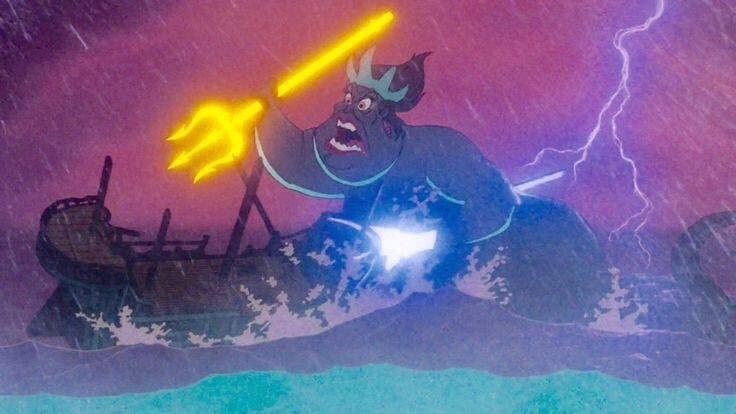
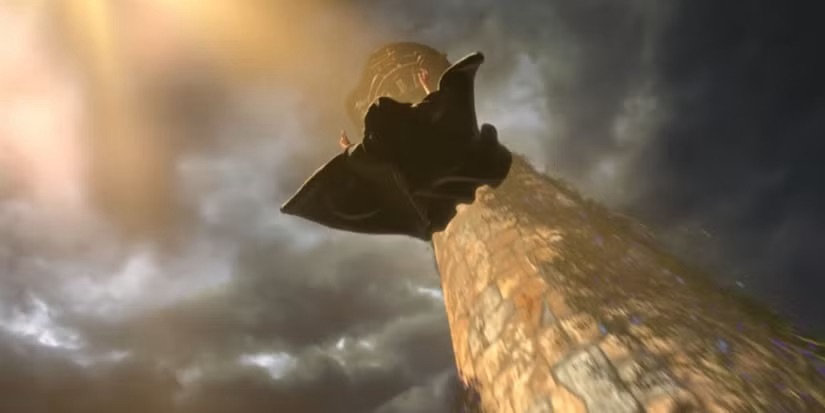
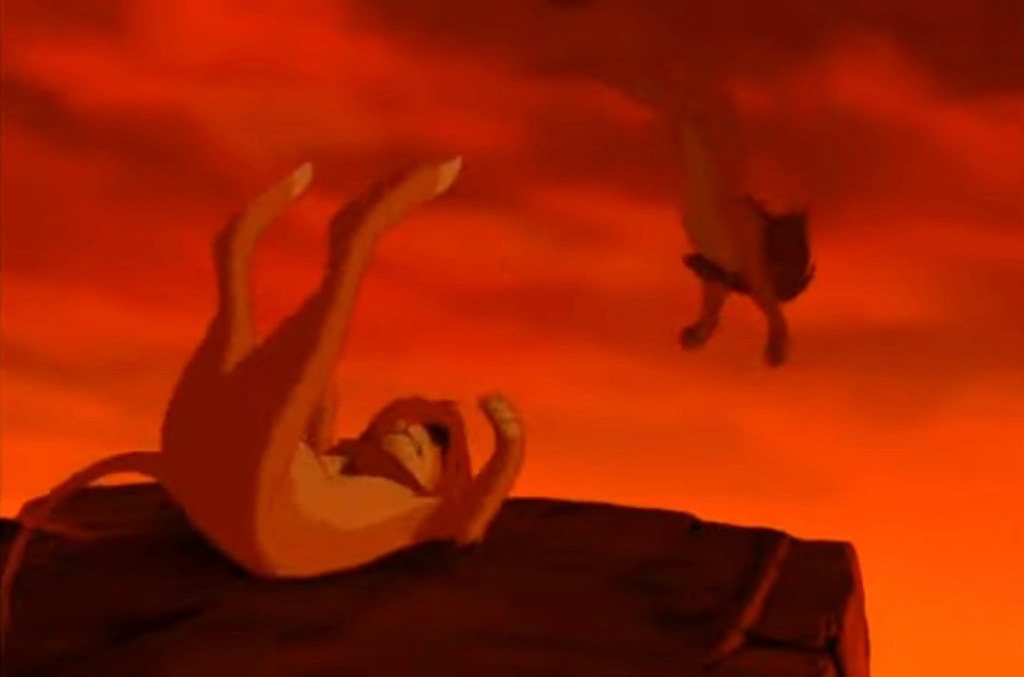
Perhaps you watched Disney movies as a kid. In most Disney animated films, the villain meets a form of poetic justice. There are a LOT of them so I’ll only select a few. But watch for it next time you see a film where the villain dies or is punished. Poetic justice is favorite trope of story writers.
The Little Mermaid
Tangled
The Lion King
Cinderella (live action)

(Sigh… I love this story. 🥰 and IMO it’s the best movie Disney made in the past 20ish years. The costumes alone are worth the watch).
🤨 Are you done fan-girling over the live-action Cinderella now? We’re supposed to be in Jeremiah. Remember?
Oh yeah… poetic justice. We were talking about poetic justice. That’s what Moab gets in chapter 48 but you won’t know it unless you look up some of the Hebrew words. So here we go…
Mo-Ab means “from Ab” (father) because the founder of their nation was conceived in incest. The very name calls to mind the daughter of Lot being impregnated by her father.
😒 Ick. Do you have to bring that up?
Unfortunately, yes.
Now, a key idea about Moab is that they lived in mountainous terrain and many of their cities were “high and lofty” (v29), well fortified. Impregnable fortresses. See the play on ideas?
😒 I’m afraid so. It’s still disgusting.
A key word in the chapter is “spoil” or “spoiler.” (And not in the sense of an entitled, spoiled child, but spoiled like rotten meat.) Some translations have “destroyer.” The idea is of an impregnable fortress being penetrated. I hate to put it so bluntly, but that’s what’s being announced.
Here’s the key word:

The people of Moab had been shadad; burly and mighty and dwelling in their impregnable forts. So the poetic justice is, they will be shadad; ravaged, destroyed, robbed, spoiled by a mighty impregnable army.
There is also some subtle wordplay in the names of various cities and their punishments that will reward the time taken to look them up.
For example, in verse 1:
“Against Moab thus saith the LORD of hosts, the God of Israel; Woe unto Nebo! for it is spoiled: Kiriathaim is confounded and taken: Misgab is confounded and dismayed.”
Jeremiah 48:1 KJV
Nebo (Nabu) was a Babylonian god of literacy, scribes, wisdom, and the “rational arts.” In other words, the god of scholars. He will be shadad (spoiled, “to be burly”).
🤓 So… a big burly oaf is gonna beat up the scrawny little god of nerdiness? Got it.
Kiriathaim means twin cities. And it gets twin judgment: confusion and capture.
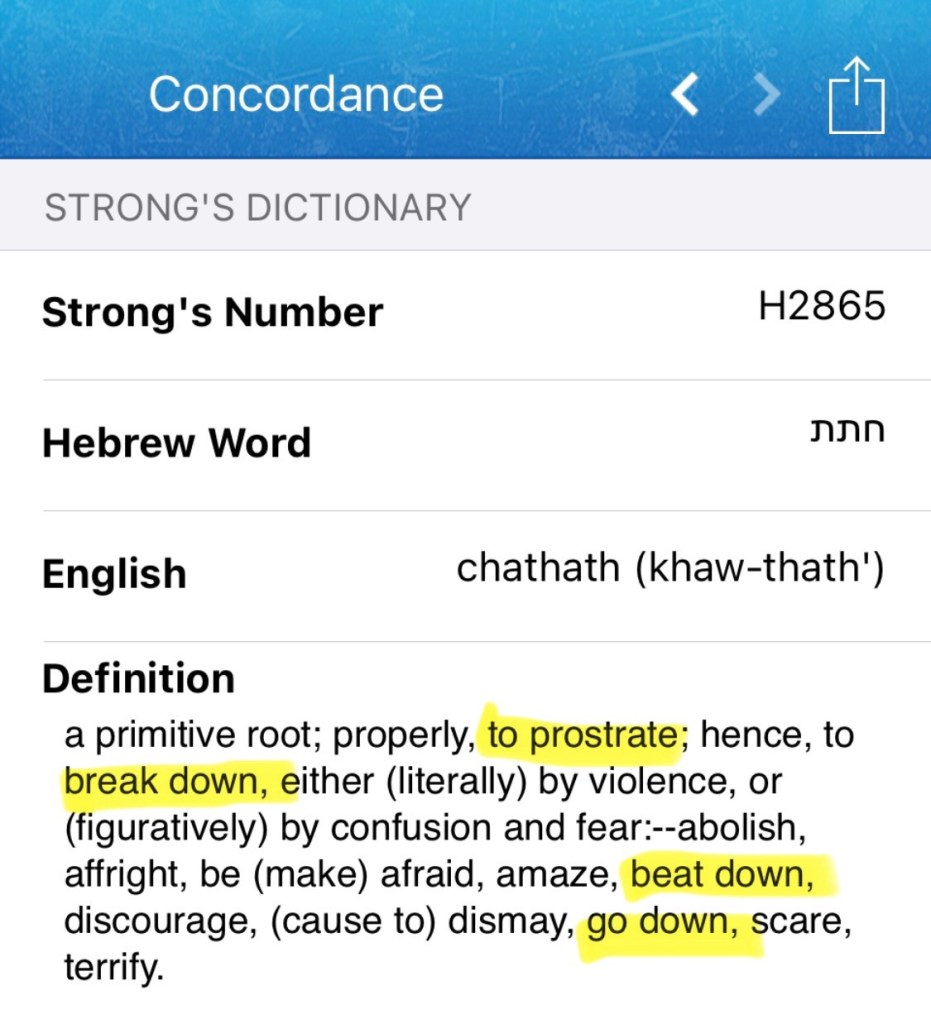
Misgab means…

The judgement on the high and lofty is to be brought DOWN.
Yahweh believes in letting the punishment fit the crime.
“Do not be deceived: God is not mocked, for whatever one sows, that will he also reap.” Galatians 6:7 ESV
 To The Reader