Enter Haman the Agagite.
The term “Agagite” is a title.
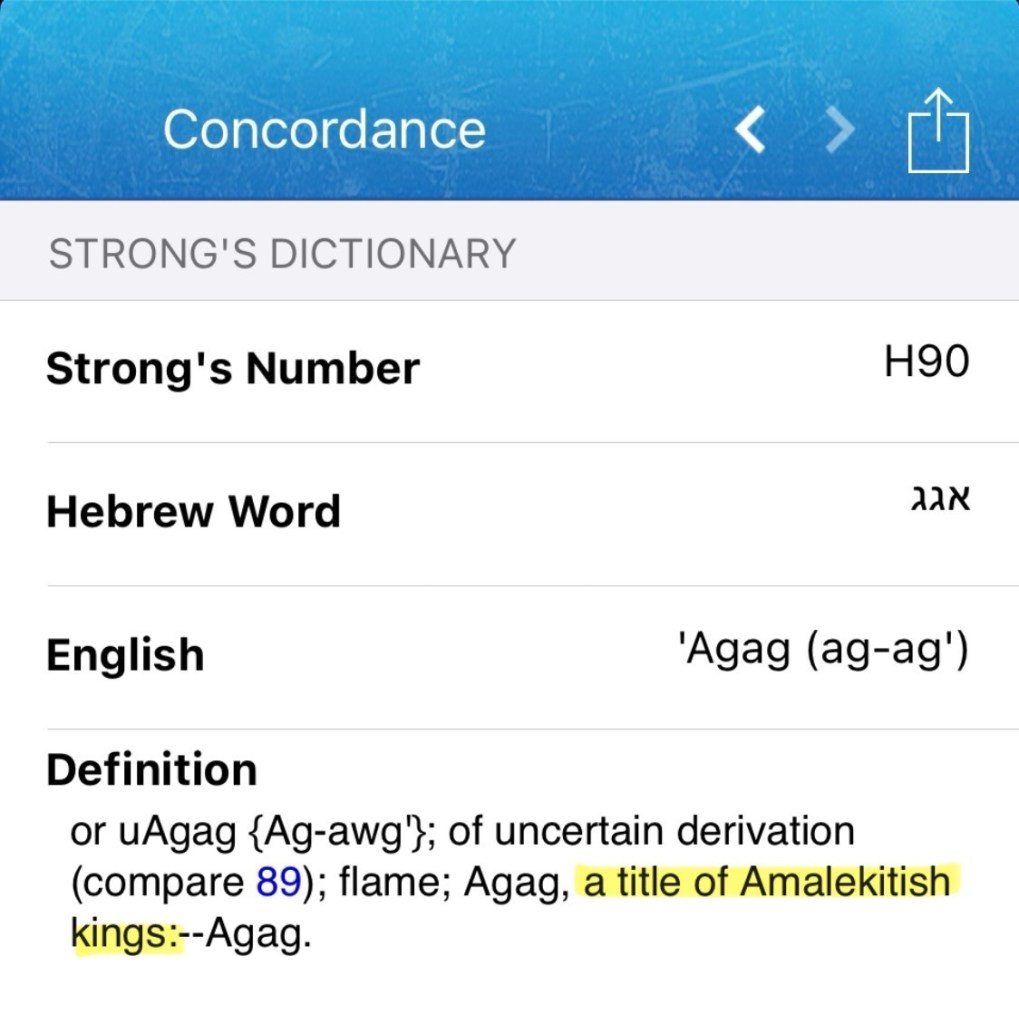
There is only one Agag in the Bible. And the prophet Samuel cut him into pieces.
😲 He did WHAT?!
Remember that story where King Saul was supposed to wipe out the Amalekites and everything they possessed?
🤓 Yeah. He didn’t follow instructions very well.
Right. He spared the best sheep and oxen “for sacrifice to the LORD,” and for some reason didn’t kill their king, Agag.
Samuel shows up and delivers that famous line: “to obey is better than sacrifice,” (1 Sam. 15:22). He also tells Saul that because he has disobeyed, his dynasty will not continue on the throne of Israel.
“Then Samuel said, “Bring here to me Agag the king of the Amalekites.” And Agag came to him cheerfully. Agag said, “Surely the bitterness of death is past.” And Samuel said, “As your sword has made women childless, so shall your mother be childless among women.” And Samuel hacked Agag to pieces before the Lord in Gilgal.”
1 Samuel 15:32-33 ESV
😐 Wow. Turned him right into fish food.
The designation “Agagite” doesn’t necessarily mean that Haman was a direct descendant of this particular king Agag. But technically, that IS in the realm of possibility. Josephus says that Haman was an Amalekite. At the very least, Haman is the acknowledged leader of the Amalekites and bears their royal title: Agagite.
The Amalekites have had it out for Israel since the days of Moses and Joshua. In Exodus 17 they attack Israel unprovoked. Israel has only been out of Egypt for 2 months. They’ve just gotten manna for the first time and water from the rock. And then Amalek (who lived in that region) decided to attack this group of defenseless ex-slaves. That’s the story where Moses has to hold his hands up all day as Israel fought back against them.

(Incidentally, if you haven’t watched the YouTube series The Promised Land, it starts with this battle. And it’s a hilarious approach to scripture. It’s like The Ten Commandments meets The Office.)
The Amalekites are one of the major reasons the children of Israel were terrified to enter the Promised Land and had to subsequently wander in the wilderness for 40 years, (Num. 13:28 – 14:45).
Remember the story of timid Gideon threshing wheat in a wine vat? And how the LORD whittled down his army to 300 brave men with trumpets and torches? The nation oppressing Israel at that time was Amalek.
Remember when Ziklag was burned to the ground and David’s family kidnapped while he was exiled from Israel and living with the Philistines? The Amalekites did that. And while David went after them to rescue his family, Saul was killed in battle… by an Amalekite.
Amalekites have been a problem on planet earth since Genesis 14. Recall that the Amalekites were listed among the clans of Nephilim giants and the “Horites” (which literally means cave-men). They are bad juju.
Mordecai knows this history. Is it any wonder he wouldn’t bow to Haman?
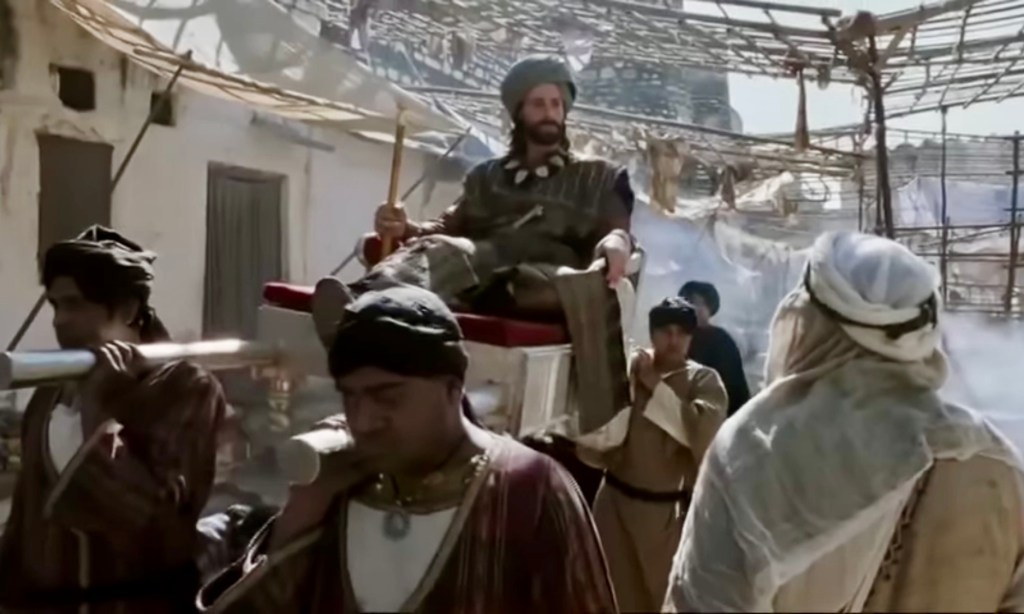

If the term “Agag” is a title for Amalekite kings, then Haman is Amalekite royalty. He’s not just some random dude that smooth-talked his way into the most powerful capital on earth. And Haman knows his own people’s history too. He knows that after Saul killed nearly every last man, woman, child and animal, Samuel hacked their king to pieces. Then David drove any survivors out of Israel and made them pay tribute to him, (1 Chron. 18:11). That’s the last we heard of Amalek until Haman shows up.
When Haman finds out that Mordecai is a Jew, he is not satisfied with the idea of killing only him. He wants revenge genocide. And he knows that taking an entire race of working people out of the empire will be a major economic blow so he pledges to compensate the empire for their loss; to the tune of multiple millions of dollars. Apparently the Amalekites didn’t stay down for long. Haman is a VERY rich man. And also very superstitious.
Haman basically “consults his horoscope” for the right time to do the deed.
“In the first month, which is the month Nisan, in the twelfth year of King Ahasuerus, Pur, that is the lot, was cast before Haman from day to day and from month to month, until the twelfth month, that is the month Adar.” Esther 3:7 NASB2020
The ancient Persians practiced Zoroastrianism. They invented the horoscope (probably from earlier origins) and they took it very seriously. The ancient Zoroastrian priests were called Magi.
😯 The wisemen in the Christmas story are… Persian Zoroastrian priests?
Probably. They were also very well versed in the prophecies of the Jewish scriptures; Daniel in particular because Daniel – with his divinely-inspired ability to interpret dreams – was among that class of royal advisors like the Magi.
The Magi of Persia were tasked with interpreting the divine will and fate. They practiced astragalomancy: divination by rolling knucklebones, marked stones or dice. It was believed to be a way to remove human bias from decision-making and (as some might say today), “let the Universe decide.”
When Haman has lots cast before him day after day, this is what he’s doing. It’s rather like checking an almanac for the right time to plant beans. He has a priest helping him determine the correct time for his attack.
He finally got a date. March 7.
This did not happen quickly. The decree was sent out on April 17. It would take months to get word all of the provinces in the land. After all, THIS is how big the empire was:
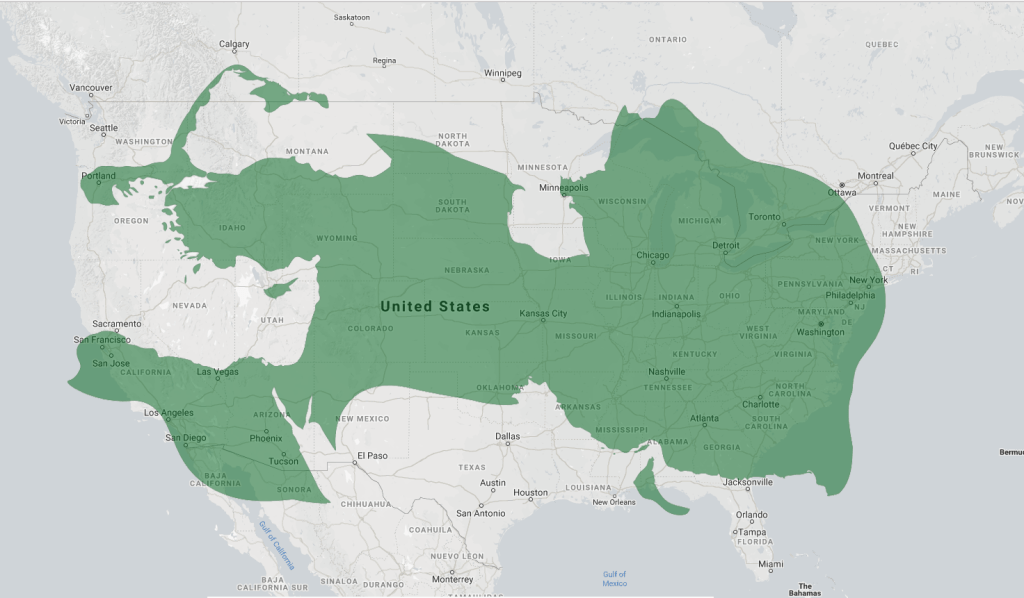
Think how long it took travelers on the Oregon Trail…

There was nearly an entire YEAR from the time the decree was sent out until Doomsday. As the Jewish people learned of it, they responded like Mordecai – sackcloth and ashes.
Esther was unaware of the decree. She and Mordecai exchange messages and he asks her to go to the king and beg for mercy. She replies:
“All the king’s officials and even the people in the provinces know that anyone who appears before the king in his inner court without being invited is doomed to die unless the king holds out his gold scepter. And the king has not called for me to come to him for thirty days.”
Esther 4:11 NLT
Ancient people were very aware of a woman’s 28-day cycle. And a king was generally keen to produce an heir (or several) by his queen. Esther is not expecting. Under normal circumstances, they would be “trying” to conceive. And the king has not summoned her in 30 days. We are not at liberty to read a whole narrative into this, but it should at least raise an eyebrow. Esther herself seems to interpret this fact as a reason to be less than confident about a favorable reception.
Mordecai encourages her with the still-powerful words:
“…And who knows whether you have not come to the kingdom for such a time as this?”
Esther 4:14 ESV
We often overlook Mordecai’s preface to this statement.
“For if you keep silent at this time, relief and deliverance will rise for the Jews from another place, but you and your father’s house will perish. And who knows whether you have not come to the kingdom for such a time as this?”
Esther 4:14 ESV
Mordecai knows the promises of God spoken by the prophets. He knows, (like Abraham knew when he was about to offer Isaac), that God WILL bring His promises to pass even if the situation requires resurrection from the dead in order to do it.
Mordecai is basically saying, “God is going to accomplish His will with or without your involvement. But He has obviously put you where you are in order to be part of it. You don’t want to miss out on getting to be part of God’s story.”
It’s a good reminder for us. It’s very easy today to get “main character syndrome,” as if the world is a production and I am the star.

Even non-divas can fall into the trap of thinking the world just might quit spinning if we don’t stay on top of our to-do lists. We all need the reminder: This is God’s world and His story. He is working things out to fulfill His plan. He’s the main character.
🤓 So… He’s Batman. And we get to be Robin.
Something like that.
🦸🏻♂️ “Holy Kleenex, Batman! It was right under my nose and I blew it!”
Esther responds to Mordecai with a request for 3 days of fasting followed by her courageous, immortal statement:
“…I will go to the king, though it is against the law, and if I perish, I perish.”
Esther 4:16 ESV

